
Strike on Aqdasiyeh Oil Depot
7 Mar 2026
Artesh Highway, Northeastern Tehran, Tehran, Tehran
Perpetrator: Israel
Stage 1 · Reported
Description
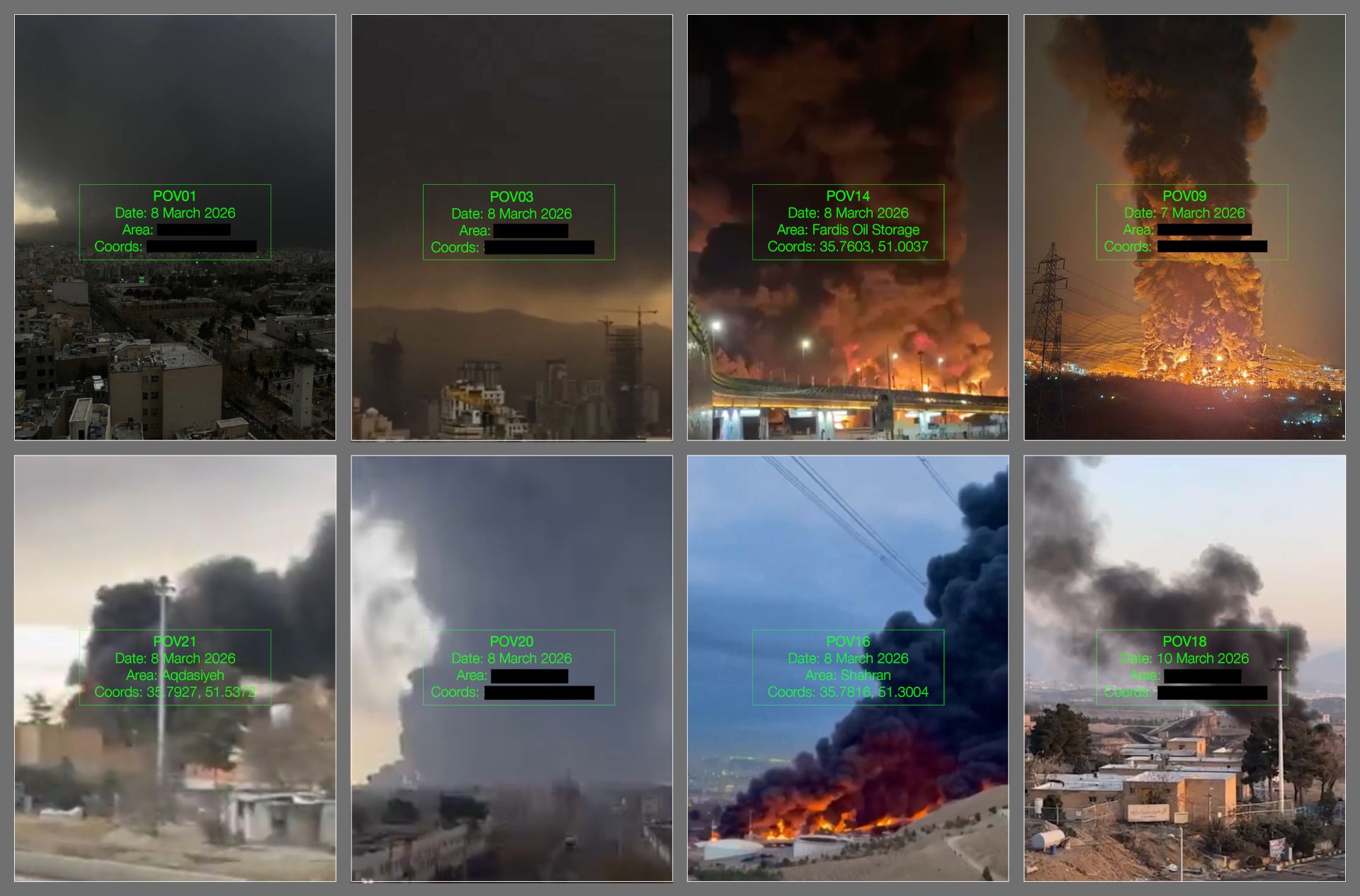
On March 7, 2026, the Aqdasiyeh Oil Depot in northeastern Tehran was targeted in an Israeli airstrike, as part of a series of attacks on oil-storage facilities in and around the capital. New Lines identified Aqdasiyeh as one of four oil-storage facilities struck that day, alongside Shahran, Shahr-e Rey, and the Fardis facility in Karaj. Its investigation combined satellite imagery, geolocated videos, eyewitness accounts, and atmospheric-dispersion modeling to document the attacks and their consequences.
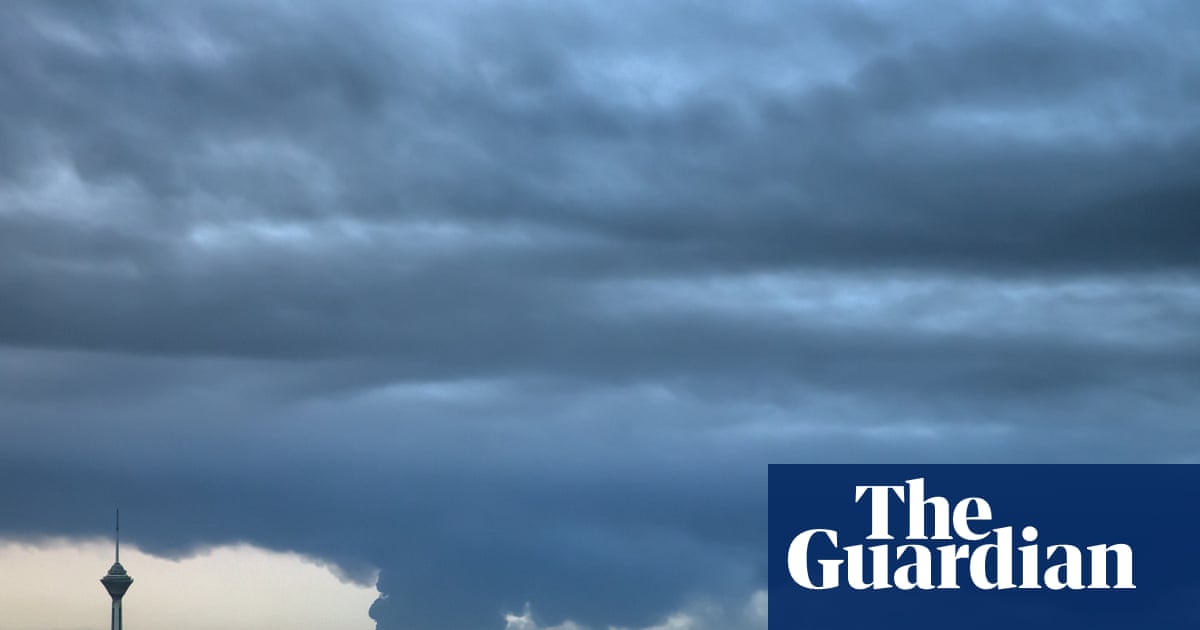
The strike caused a major fire and sustained release of smoke from the depot. The Guardian reported that footage from March 8 showed a large fire at Aqdasiyeh, while satellite imagery taken 10 days after the attack still showed smoke and flames at the site. The attacks on the Tehran-area fuel facilities released soot, oil particles and sulfur dioxide into the atmosphere, with subsequent rainfall contributing to the deposition of contaminated material across the city.
New Lines' analysis found that seven fuel-storage tanks at Aqdasiyeh were damaged. The publication used atmospheric modeling to reconstruct the movement of pollution from the fires. Its analysis indicated that the resulting plumes spread across a substantial portion of Tehran, including densely populated areas. Residents interviewed by New Lines reported difficulty breathing, burning eyes and throat, and black residue accumulating on cars, balconies and other surfaces.
The consequences extended beyond the immediate fire. Experts warned that pollutants deposited on the ground could enter soil and water systems and potentially the food chain, while the longer-term health consequences remained uncertain. The Guardian likewise reported concerns over respiratory effects and longer-term risks associated with exposure to pollutants released by the burning fuel facilities.
The military status of the facility is disputed. Israeli authorities told Human Rights Watch that the targeted depots had been designated to supply fuel directly to Iran's armed forces, including military aviation, UAVs, naval vessels and other military infrastructure. HRW, however, reported that the depots were used for civilian purposes and that it could not independently establish whether they were also being used to support military operations. An energy expert consulted by HRW also indicated that the facilities contained gasoline and diesel rather than specialized fuels specifically associated with military aviation or naval operations.
Human Rights Watch assessed that the March 7 attacks on the Tehran-area oil depots likely amount to war crimes, because they involved strikes on primarily civilian infrastructure with foreseeable risks of serious and long-term harm to civilians and the environment. HRW emphasized that oil depots are civilian objects unless, under the circumstances prevailing at the time, they qualify as military objectives. Even where a facility has a military use, the attack remains subject to the principles of distinction, proportionality, and precautions in attack.
HRW further argued that the proportionality assessment should account for reasonably foreseeable indirect and reverberating consequences, including environmental damage and effects on civilian health. In its assessment of the March 7 attacks, HRW said Israeli forces did not appear to have adequately considered the foreseeable long-term harm to people and the environment around Tehran.
Location
Province
Tehran
City
Tehran
Detail
Artesh Highway, Northeastern Tehran
Coordinates
35.792182, 51.537792
Photos and media
Civilians killed in this incident
No profiles confirmed yet for this incident. Submit a name
Sources and documentation
www.hrw.org
The Noxious Smoke Enveloping Tehran

Photos: US-Israeli strikes on Iranian oil storage facilities
Tehran’s toxic cloud: satellite images show oily fires burned for days