
Second Strike on Shahr-e Rey Oil Depot
7 Mar 2026
South of Tehran, Shahr-e Rey, Tehran
Perpetrator: Israel
Stage 1 · Reported
Description
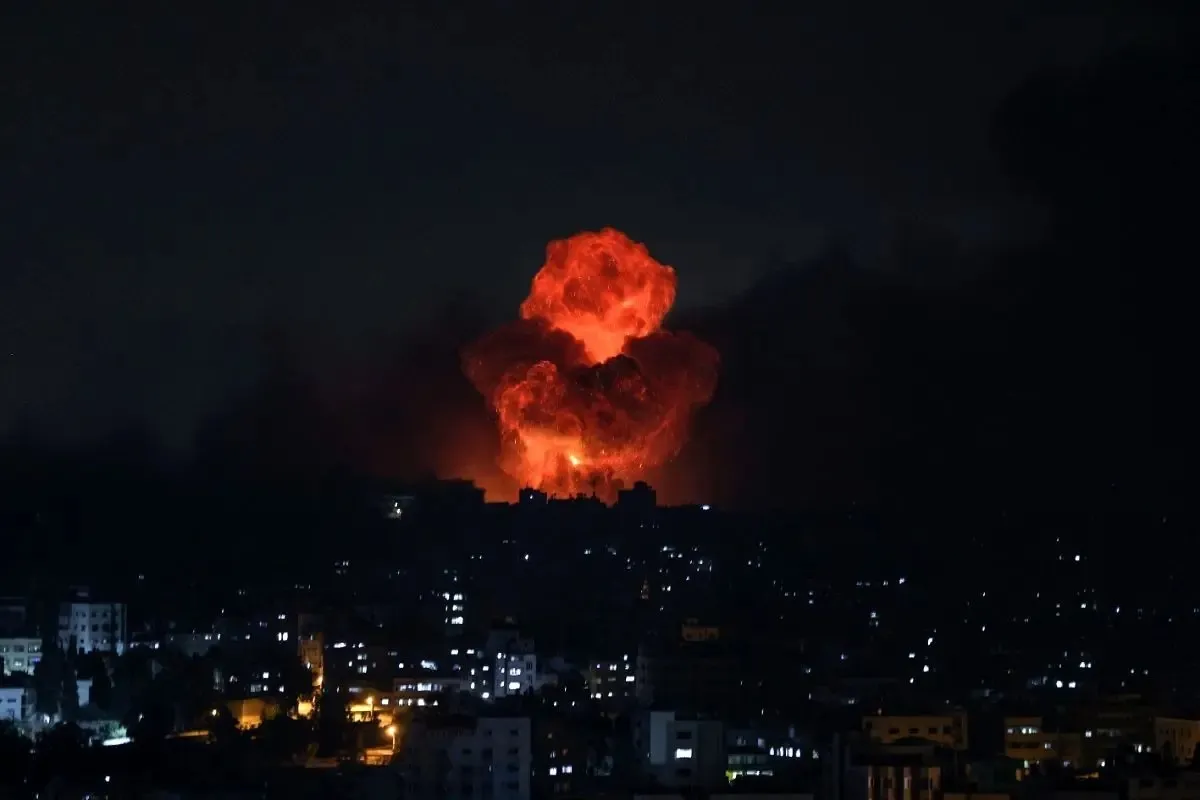
On March 7, 2026, Israeli forces attacked four oil and gas depots in and around Tehran, including the Shahr-e Rey Oil Depot, located immediately east of the Tehran Oil Refinery in southern Tehran. Iranian reporting on the incident described damage to a fuel storage tank and a resulting fire. Subsequent reporting indicated that petroleum products remaining in the damaged tank continued to burn under controlled conditions, with technical and emergency personnel monitoring the situation and working to prevent a larger incident.
Human Rights Watch independently confirmed the attack on Shahr-e Rey through satellite imagery and verified videos. Imagery from March 9 showed a large smoke plume rising from the depot, while imagery from March 11 showed a black smoke plume moving northward from Shahr-e Rey toward central Tehran. By March 17, imagery showed that dozens of fuel-storage tanks across the four targeted sites had been damaged or destroyed.
HRW also reported that the depots were used for civilian purposes, although it was unable to determine whether they were also used to support military activities. Israeli authorities told HRW that the targeted depots had been designated to supply fuel directly to military forces, including military aviation, UAVs, naval vessels, and other military infrastructure. HRW noted, however, that one informed source said the depots contained only gasoline and diesel, rather than fuels and petrochemical products with more specific aviation or aerospace applications.
The attack also had potentially significant consequences beyond the physical destruction of the depot. HRW interviewed residents and environmental and health experts and reported respiratory symptoms among residents following the attacks, including shortness of breath, persistent coughing, chest pain, and irritation of the skin and eyes. Experts consulted by HRW warned that burning petroleum products could release hazardous pollutants capable of producing both acute and chronic health effects. The report also documented widespread soot following the attacks and concerns about contamination of soil and water.
Human Rights Watch concluded that the foreseeable consequences of the March 7 attacks on the Tehran-area oil depots likely amount to war crimes. The organization stated that oil depots and other energy infrastructure are presumptively civilian objects under international humanitarian law, although they may become military objectives if they are used to support military operations. Even where an object qualifies as a military objective, however, the attack remains unlawful if the expected harm to civilians and civilian objects is excessive in relation to the anticipated military advantage.
HRW further emphasized that the proportionality assessment must take account of reasonably foreseeable indirect and reverberating environmental consequences, including long-term effects on water, food systems, and civilian health. It also noted the prohibition on attacks expected to cause widespread, long-term, and severe damage to the natural environment. On this basis, HRW stated that Israeli forces should have considered the foreseeable long-term consequences of the attacks for the environment and the health of people living around Tehran.
The HRW assessment is particularly significant for this incident because the Shahr-e Rey depot is located close to a densely populated urban area. HRW's satellite analysis documented the movement of the smoke plume northward toward central Tehran, while its interviews and expert assessments identified potential city-scale consequences from pollution generated by burning petroleum products. HRW therefore characterized the attacks not merely as damage to energy infrastructure, but as attacks carrying foreseeable risks to civilian health and the environment.
Location
Province
Tehran
City
Shahr-e Rey
Detail
South of Tehran
Coordinates
35.56743, 51.421469
Photos and media
Civilians killed in this incident
No profiles confirmed yet for this incident. Submit a name
Sources and documentation
www.hrw.org
Farsnews | حمله به یک انبار نفت در جنوب تهران
اطلاعیه شرکت ملی پخش درمورد حمله به انبار نفت شهرری، شهران و کرج: پیش از این، تمهید لازم برای حداقلسازی ذخیره فرآورده صورت گرفته بود