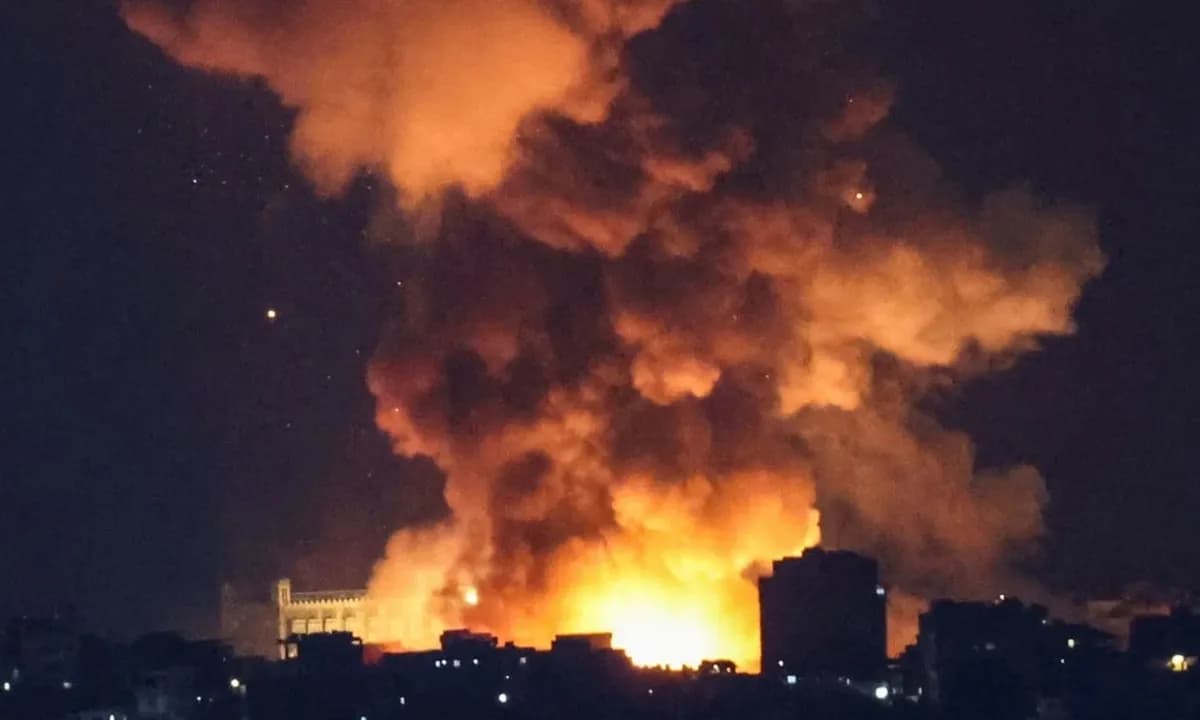
Second Airstrike on Shahran Oil Depot, Tehran
7 Mar 2026 - 8 Mar 2026 · 22:00 (Tehran Time)
Shahran district, northwestern Tehran., Tehran, Tehran
Incident type: Airstrike
Perpetrator: Israel
Claimed target: Fuel storage complexes belonging to the IRGC
Stage 3 · Verified
Description
On the night of Saturday, 7 March 2026 (16 Esfand 1404), at approximately 22:00 local time, Israeli warplanes conducted coordinated strikes on four fuel storage and distribution facilities in Tehran and Alborz Province. The facilities targeted were: the Shahran oil depot in northwestern Tehran; the Aghdasieh oil warehouse in northeastern Tehran; the Tehran oil refinery in southern Tehran; and an oil depot in Karaj. A fifth site, described as an oil product transfer centre, was also struck. The CEO of Iran's National Oil Products Distribution Company, Keremat Veys Karami, confirmed the attacks in an official statement published by IRNA, noting that four company employees were killed — two of whom were civilian fuel tanker drivers — and that storage infrastructure at all five sites sustained damage. The Shahran depot, which sits within a residential neighbourhood, was completely consumed by fire. Witnesses in the Shahran district reported that unrefined oil spilled directly into surrounding streets. The resulting black smoke cloud spread across the entire capital. Residents of Tehran reported acute respiratory symptoms — including shortness of breath, persistent coughing, chest pain, and skin and eye irritation — and described black, oil-tainted rain falling on their buildings, cars, and outdoor spaces. Human Rights Watch, citing satellite imagery from 9 March, confirmed that large smoke plumes from the Shahran, Aghdasieh, and Shahr-e Rey depots were still visible more than 24 hours after the strikes. HRW assessed that the attacks on oil depots caused emission of dangerous air pollutants — including toxic hydrocarbons, sulphur, and nitrogen oxides — that could cause acute and chronic health effects, including elevated long-term cancer risk, for residents living near the affected facilities, possibly for decades. HRW concluded that the strikes on primarily civilian infrastructure constituted violations of international humanitarian law and were "likely war crimes." Iran's Deputy Health Minister Ali Jafarian stated on record that the targets were not military: "This is not a military issue. This is not a military target." Israel's military claimed the facilities belonged to the IRGC and were used to "distribute fuel to multiple military entities." Iranian officials and independent analysts disputed this claim. Al Jazeera's correspondent reporting from Tehran described the attack as "unprecedented" in its targeting of civil industrial infrastructure in the capital.
Location
Province
Tehran
City
Tehran
Detail
Shahran district, northwestern Tehran.
Coordinates
35.780524, 51.296472
Photos and media
Civilians killed in this incident
No profiles confirmed yet for this incident. Submit a name
Sources and documentation
www.hrw.org
fararu.com
www.tabnak.ir
www.asriran.com
parsi.euronews.com
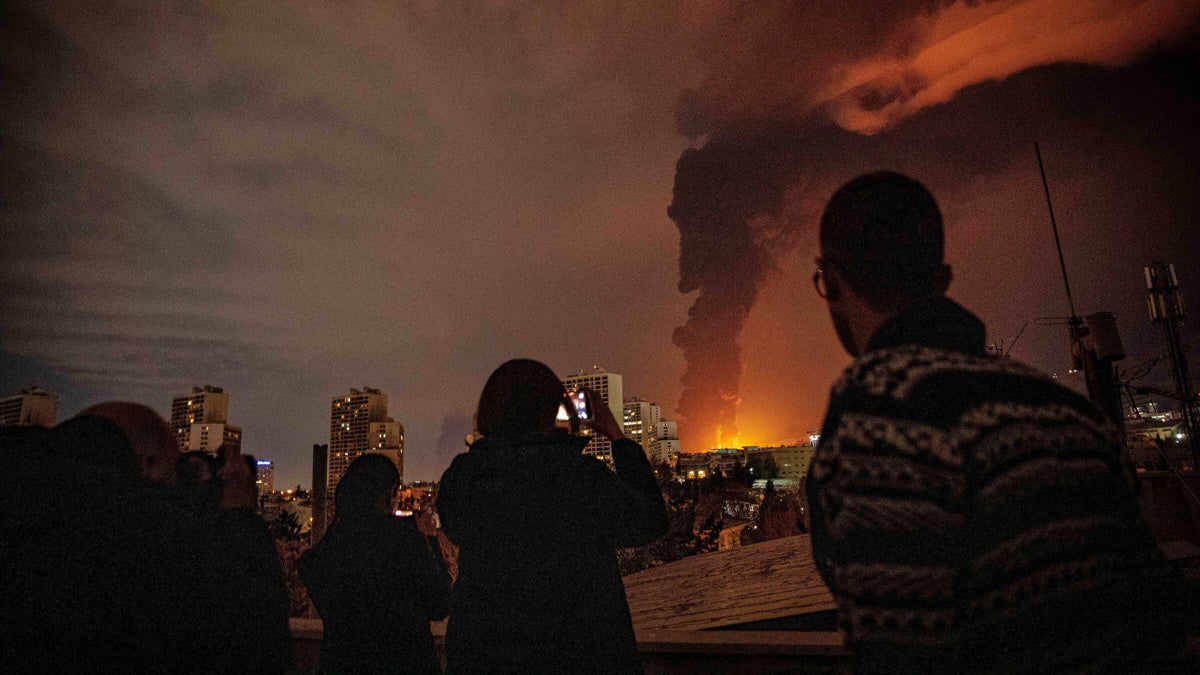
Iran: Israel’s Oil Depot Strikes Endanger Environment, Health

Israeli attacks on Iran fuel sites aim ‘to break resilience of people’
time.com
www.bbc.com