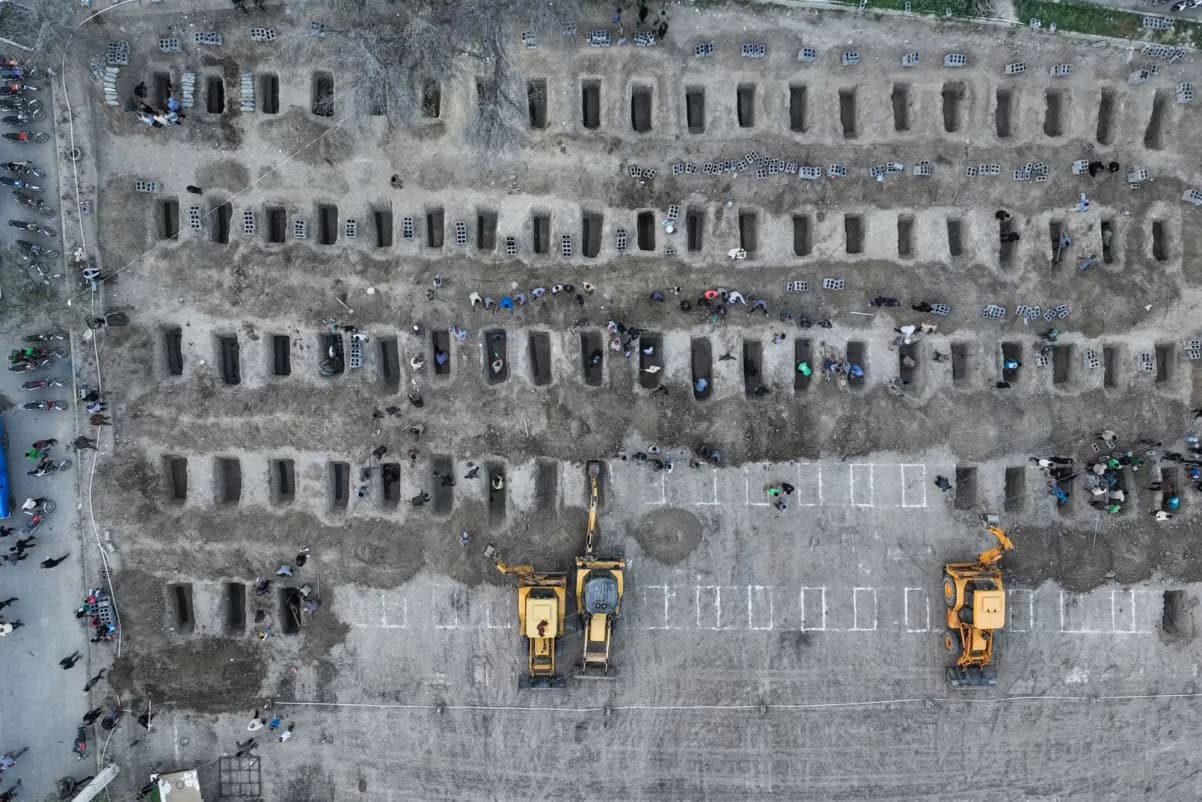
Missile Strike at Shajareh Tayyebeh School, Minab
28 Feb 2026
Resalat Street , Minab, Hormozgan
Incident type: Missile Strike
Perpetrator: USA
Claimed target: IRGC Compound
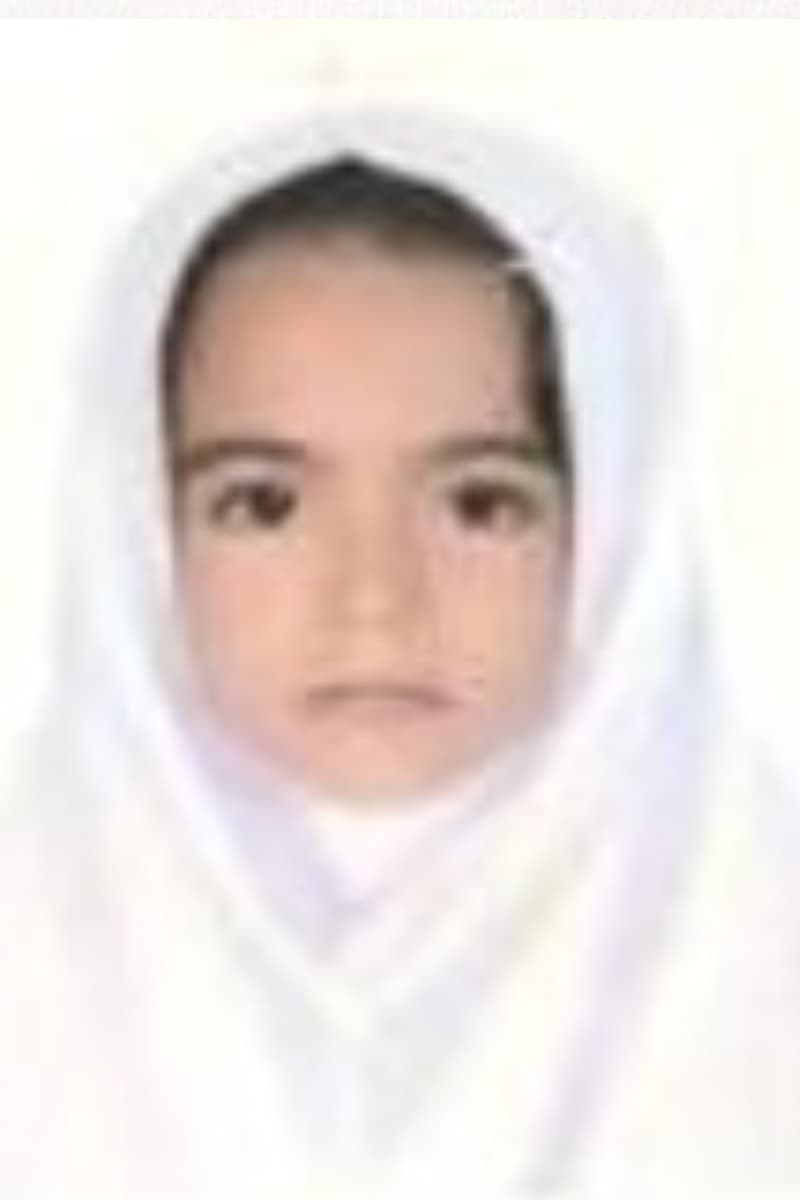
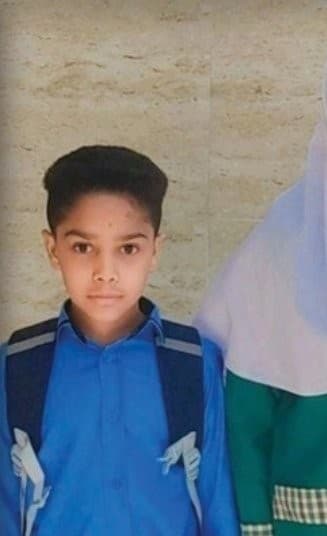
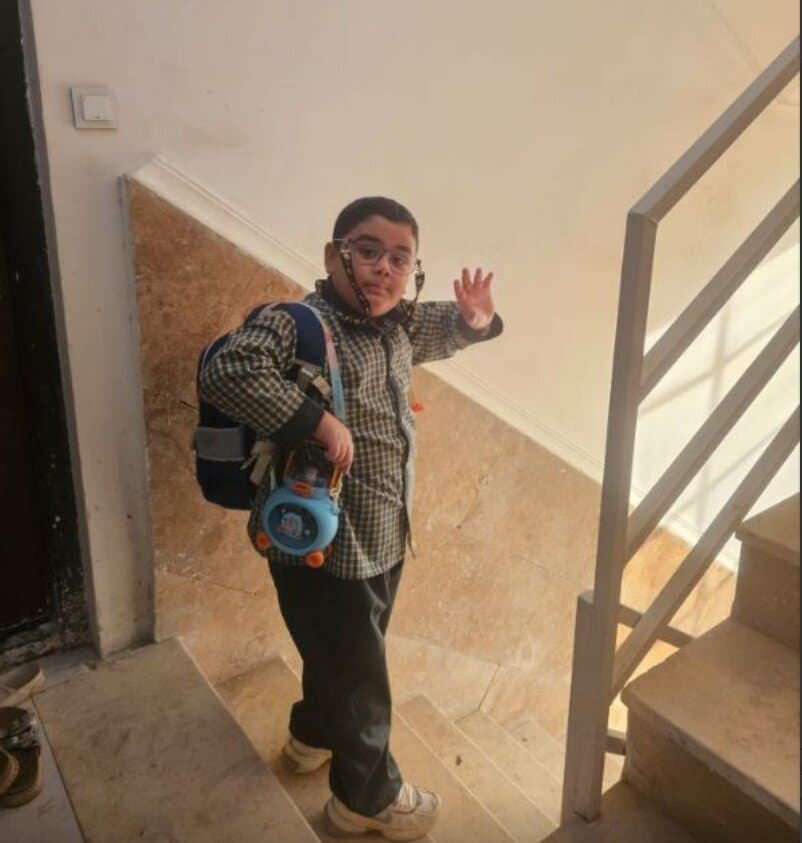
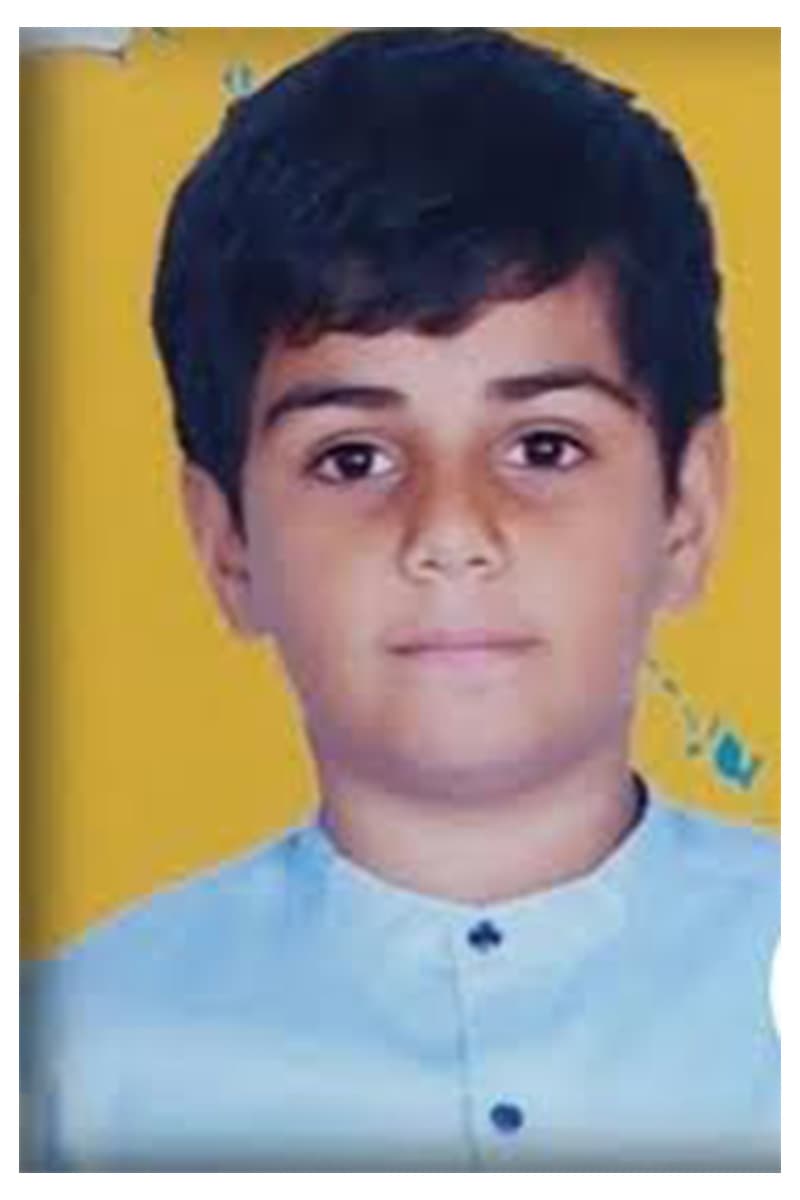
152 related civilian profiles
Stage 2 · Documented
Description
I. Overview
On 28 February 2026, an airstrike struck Shajareh Tayyebeh Primary School in Minab, Hormozgan Province, Iran, during active school hours. The attack resulted in mass civilian casualties, the majority of whom were children.
Findings documented by Amnesty International indicate that the strike may constitute a serious violation of international humanitarian law (IHL), raising concerns of an unlawful attack and potential war crimes.
II. Factual Findings
Based on open-source investigations, satellite imagery, and witness accounts:
- The strike caused the collapse of the school structure while students were present inside classrooms.
- Casualty estimates indicate over 100 children killed, with total fatalities reported between 150 and 170 individuals, including students, teachers, and civilians present on-site.
- The school was a clearly identifiable civilian object, with no verified evidence of military use at the time of the attack.
- Structural damage patterns—particularly roof “pancaking”—are consistent with a precision-guided, top-down aerial strike.
III. Applicable Legal Framework
The incident falls under the scope of international humanitarian law, including:
- The Geneva Conventions and their Additional Protocols
- Customary international law governing the conduct of hostilities
Key legal principles applicable:
- Distinction
Parties to a conflict must at all times distinguish between civilian objects and military objectives. - Proportionality
Attacks expected to cause excessive civilian harm relative to anticipated military advantage are prohibited. - Precautions in Attack
All feasible precautions must be taken to verify targets and minimize civilian harm.
IV. Legal Assessment
1. Violation of the Principle of Distinction
The available evidence indicates that the target was a functioning primary school with no confirmed military presence.
If substantiated, the strike represents a direct attack on a civilian object, in violation of the principle of distinction.
2. Failure to Take Feasible Precautions
Amnesty International concluded that the attacking forces “could and should have known” the nature of the target.
This raises concerns that:
- Target verification procedures were inadequate
- Intelligence used for targeting was flawed or misinterpreted
Such failures constitute a breach of the obligation to take all feasible precautions before launching an ആക്രമ.
3. Disproportionate Use of Force
Even in the hypothetical presence of a military objective, the scale of civilian casualties—particularly the high number of children—suggests that the attack may have been disproportionate.
An attack causing foreseeable mass civilian casualties in a school setting would likely fail proportionality assessments under IHL.
4. Qualification as a War Crime
Under customary international law and the Rome Statute framework, the following may constitute war crimes:
- Intentionally directing attacks against civilian objects
- Launching disproportionate attacks
- Failing to take feasible precautions
If intent or recklessness is established, the Minab school strike could meet the threshold of a war crime.
V. Responsibility and Accountability
Amnesty International has called for:
- An independent, impartial, and transparent investigation
- Disclosure of targeting decisions and intelligence assessments
- Accountability for individuals responsible, including those in the chain of command
State responsibility may also arise where violations of IHL are attributable to state actors.
VI. Conclusion
The airstrike on Shajareh Tayyebeh Primary School presents a prima facie case of serious violations of international humanitarian law.
Given the scale of civilian harm, the civilian nature of the target, and the apparent failures in precaution and verification, the incident warrants urgent and independent investigation.
Absent credible military justification, the strike stands as a potential unlawful attack on civilians—and a test of whether legal accountability can be enforced in contemporary armed conflict.
Location
Province
Hormozgan
City
Minab
Detail
Resalat Street
Coordinates
27.109824186680886, 57.08474569907985
Photos and media
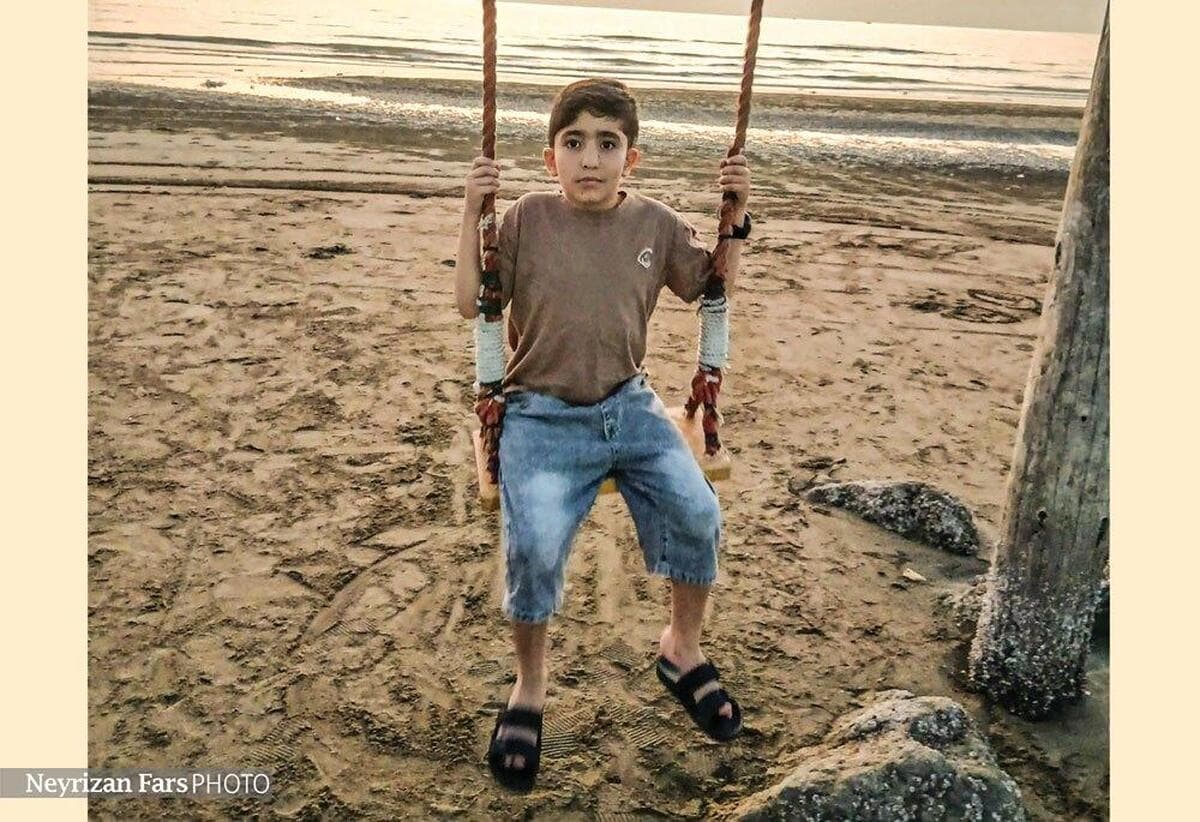
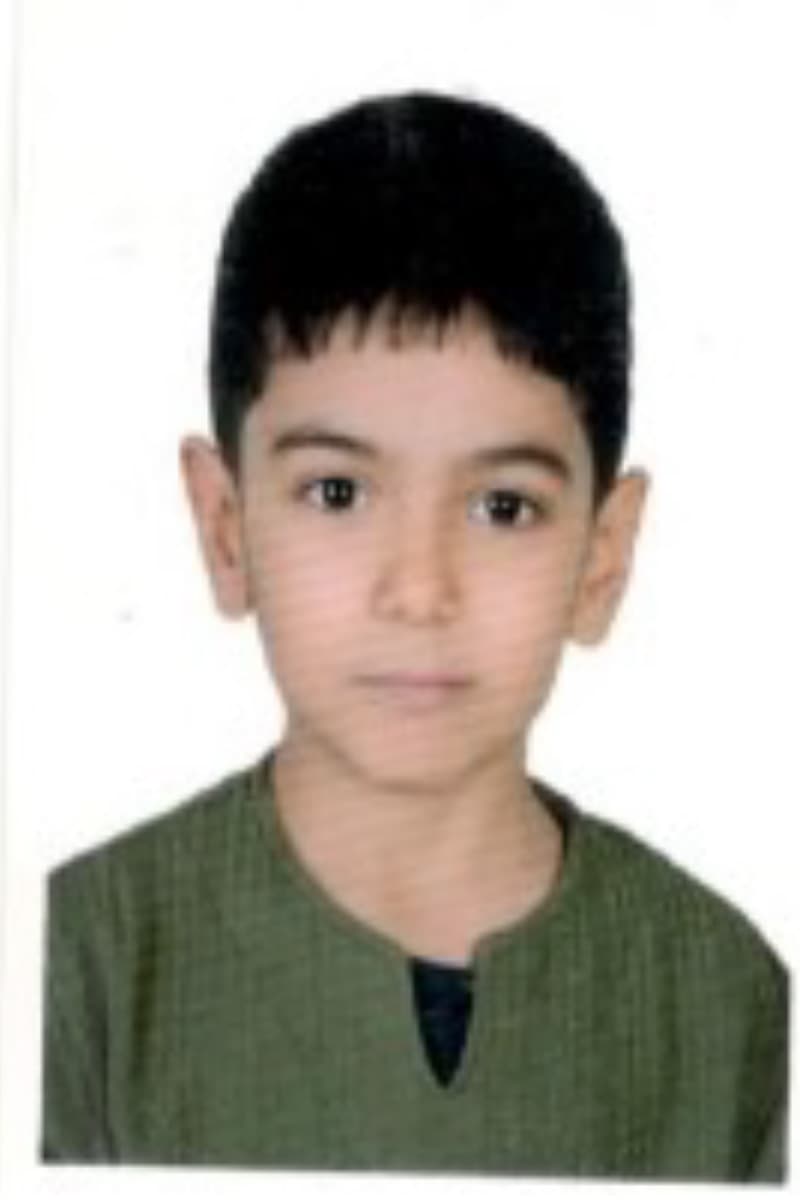
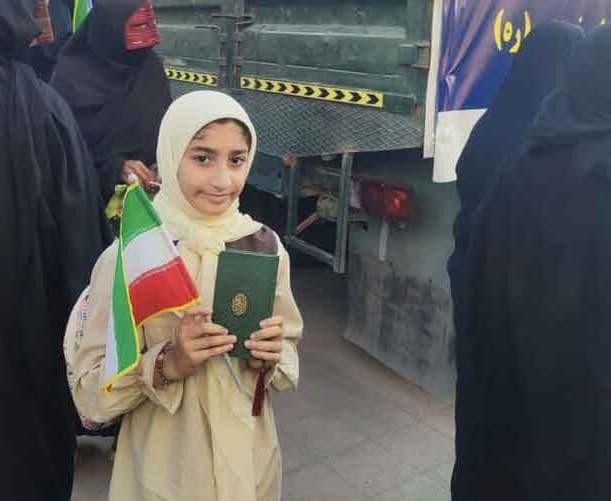
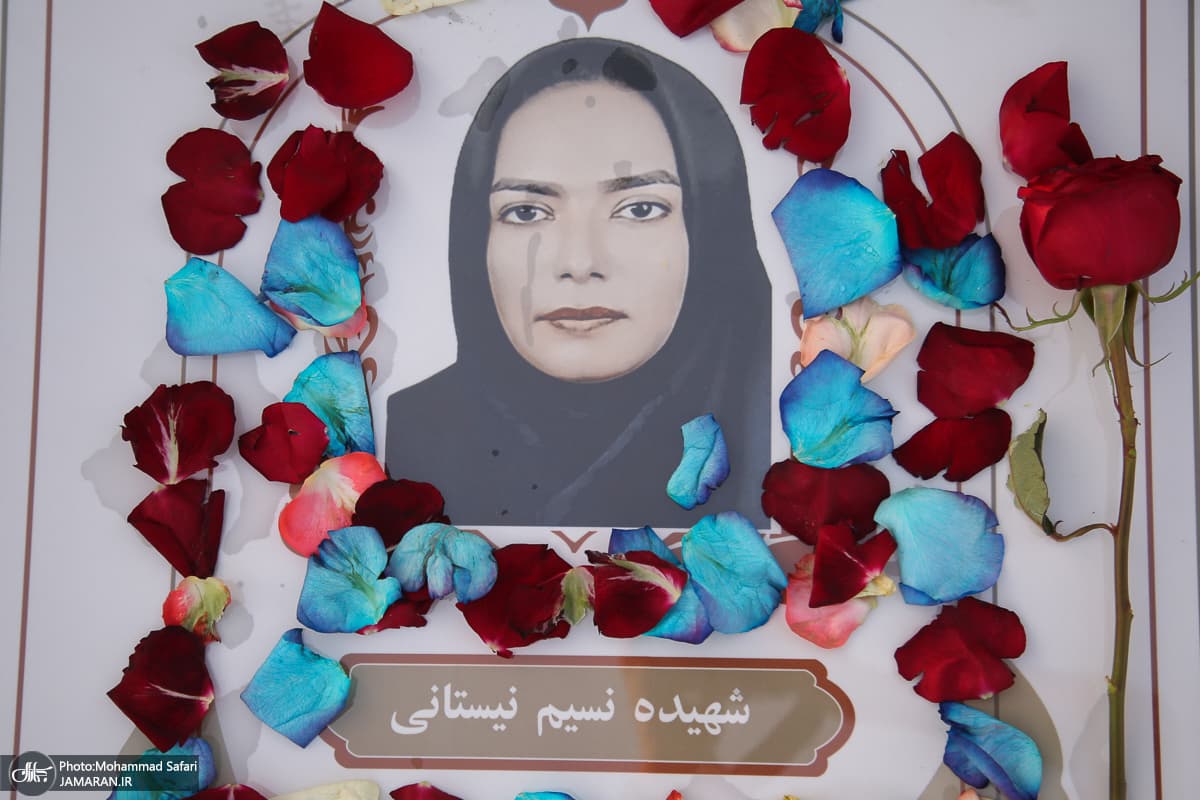
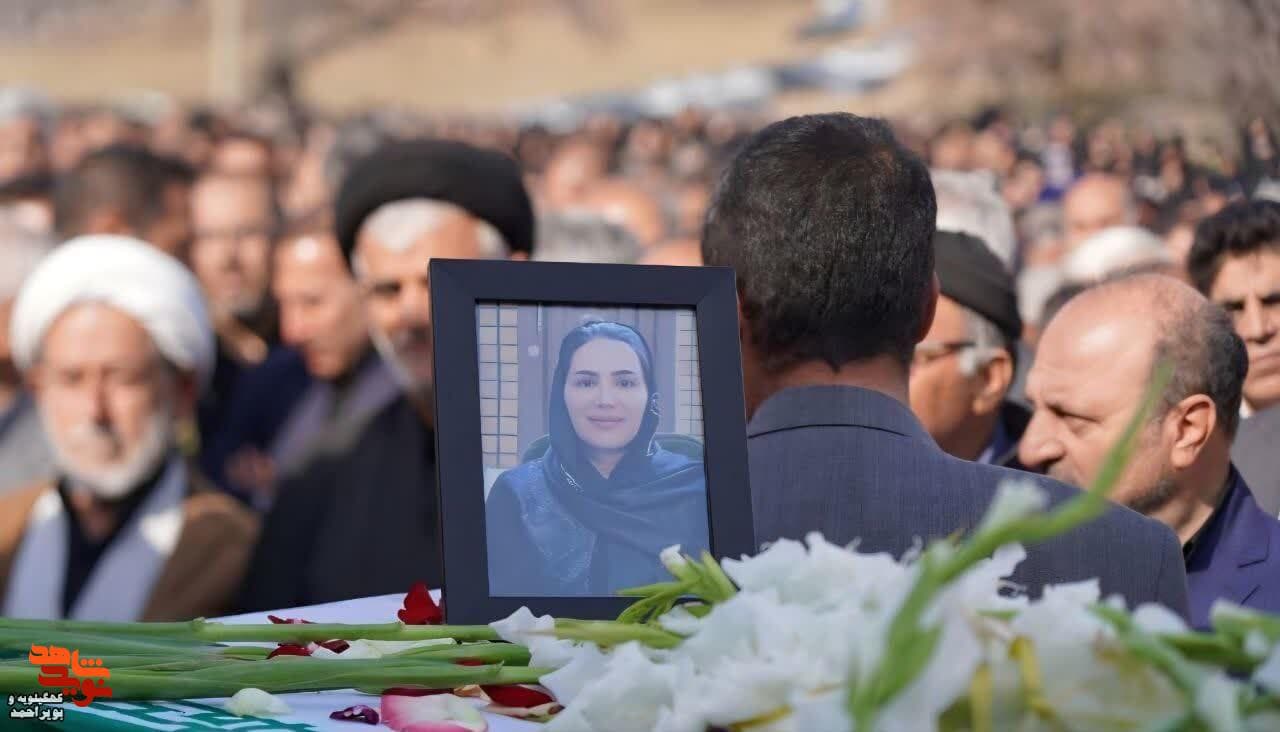
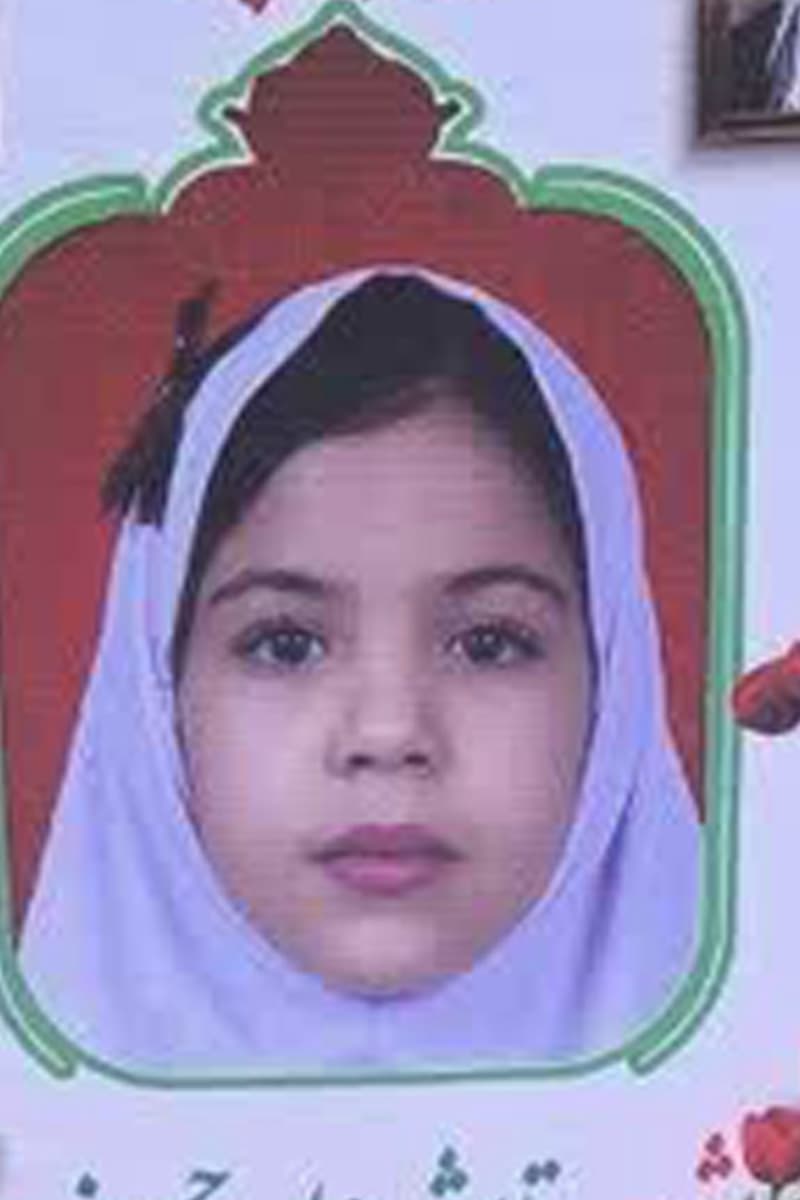
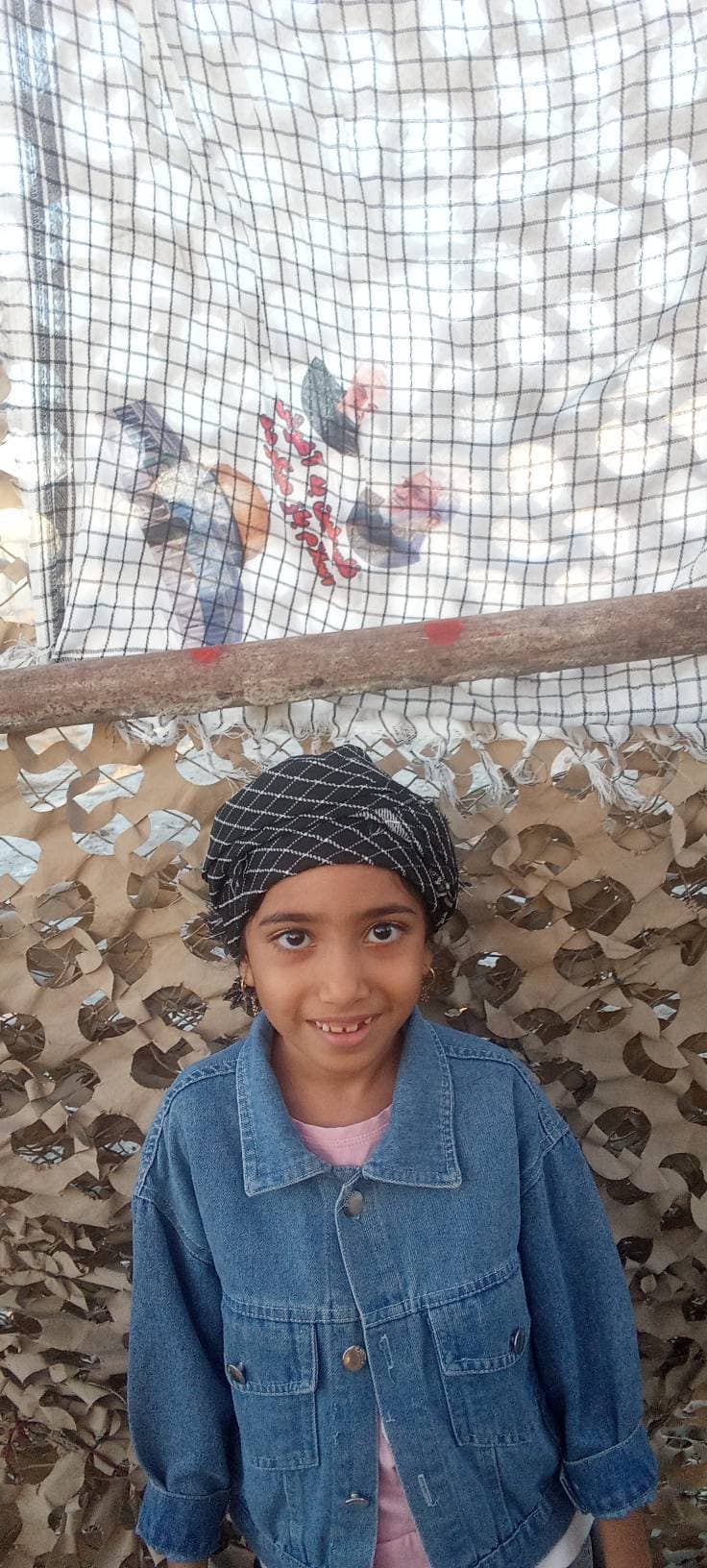
Civilians killed in this incident



















































































.jpeg&w=3840&q=75)













.jpeg&w=3840&q=75)

































Sources and documentation
edition.cnn.com
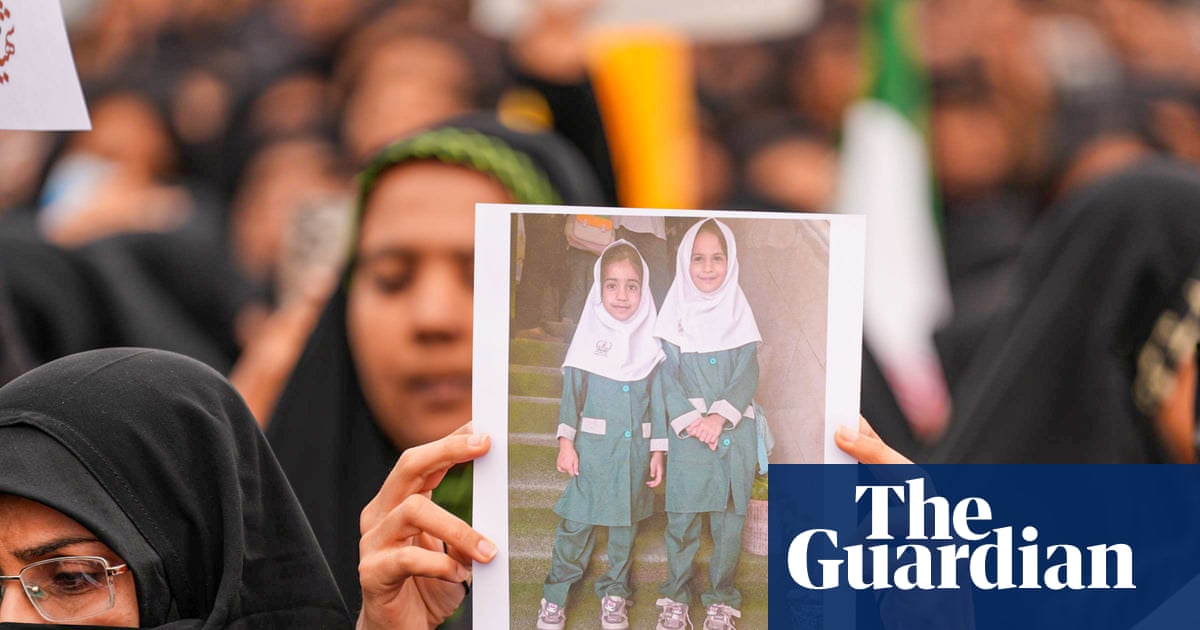
Minab school bombing: how the worst mass casualty event of the Iran war unfolded – a visual guide

www.instagram.com
www.elciudadano.com
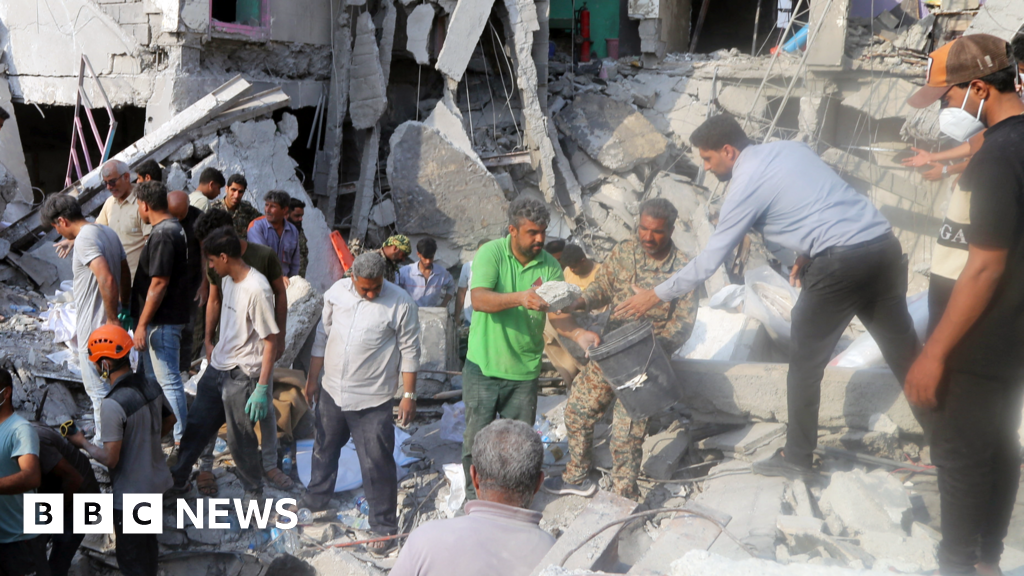
At least 153 dead after reported strike on school, Iran says
www.amnestyusa.org